Seamless vs Cut-and-Sew Shapewear: OEM Manufacturing Comparison Guide
Seamless vs cut-and-sew shapewear: compare manufacturing processes, cost, quality, and best use cases for each construction method.
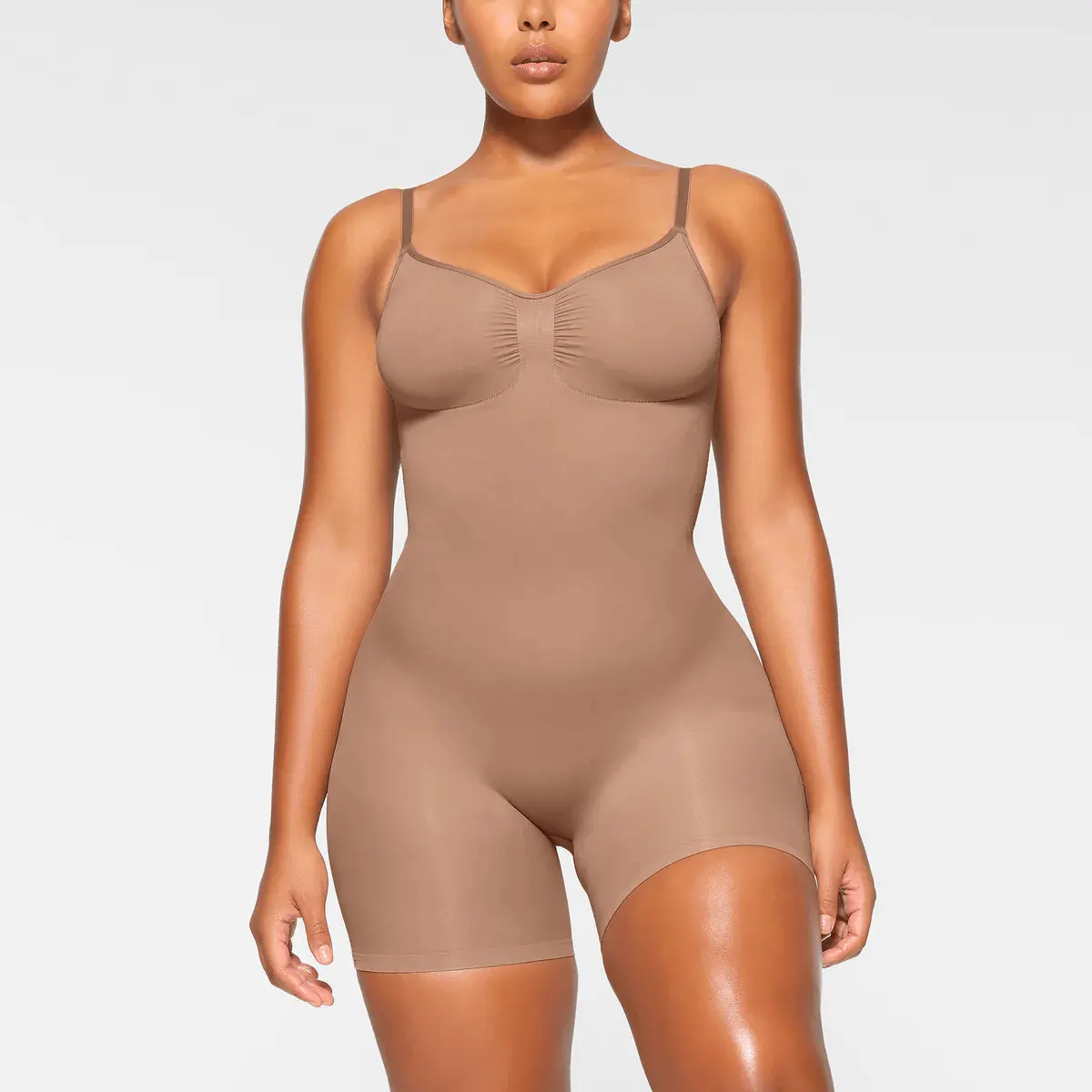
The choice between seamless and cut-and-sew manufacturing is the most fundamental decision in shapewear production. Each method offers distinct advantages in cost, quality, comfort, and market positioning. Understanding these differences is essential for brands launching new shapewear products, as the construction method directly impacts your target market, pricing strategy, and production timeline.
Seamless shapewear is produced on circular knitting machines — primarily Santoni or Lonati models. The garment is knitted as a complete tube or near-complete shape, eliminating side seams and reducing production steps. This technology creates graduated compression zones by varying stitch density across different areas. Seamless construction delivers invisible lines under clothing, making it ideal for everyday shapewear, bodysuits, and thong shapers. The result is truly invisible under any fabric — including white silk, thin jersey, and bodycon dresses.
Cut-and-sew shapewear uses traditional garment construction methods. Fabric is cut from rolls, then sewn with power mesh panels, boning channels, hook-and-eye closures, and elastic binding. This method allows targeted compression — each panel can use different fabric weights and stretch ratios. Cut-and-sew is preferred for waist trainers, corsets, post-surgical garments, and high-compression pieces requiring structural elements like spiral steel boning.
Cost comparison: seamless shapewear typically has lower per-unit cost at scale due to reduced labor. However, the initial equipment investment is significant — seamless knitting machines cost $50,000-100,000 and require specialized programming. Cut-and-sew has higher per-unit labor costs but lower equipment investment. MOQ for seamless is typically 200-500 pieces; cut-and-sew can start at 50-100 pieces.
Market positioning guides the manufacturing choice. If you're launching everyday shapewear or athletic base layers — seamless technology provides the invisible fit consumers demand with 201 monthly searches for 'seamless bodysuit' alone. If you're creating structured shapewear like waist trainers or post-surgical compression — cut-and-sew offers the targeted support needed. HB Shaper offers both manufacturing methods under one roof.
Buyer Questions
What should buyers know about seamless shapewear?
Seamless vs cut-and-sew shapewear: compare manufacturing processes, cost, quality, and best use cases for each construction method. HB Shaper supports OEM/ODM sourcing with low MOQ, custom branding, sampling, and factory-direct production.
Can seamless shapewear be customized for a private label brand?
Yes. Brands can customize fabric, compression level, sizing, color, logo labels, packaging, and product details through HB Shaper's OEM/ODM workflow.
What is the best next step for wholesale or OEM buyers?
Prepare target style photos, size range, quantity, branding needs, and target market. HB Shaper can then recommend fabrics, construction, MOQ, sampling time, and production lead time.