The HB Shaper Difference
Why Choose HB Shapewear
Six reasons thousands of brands and women choose HB Shapewear over competitors.
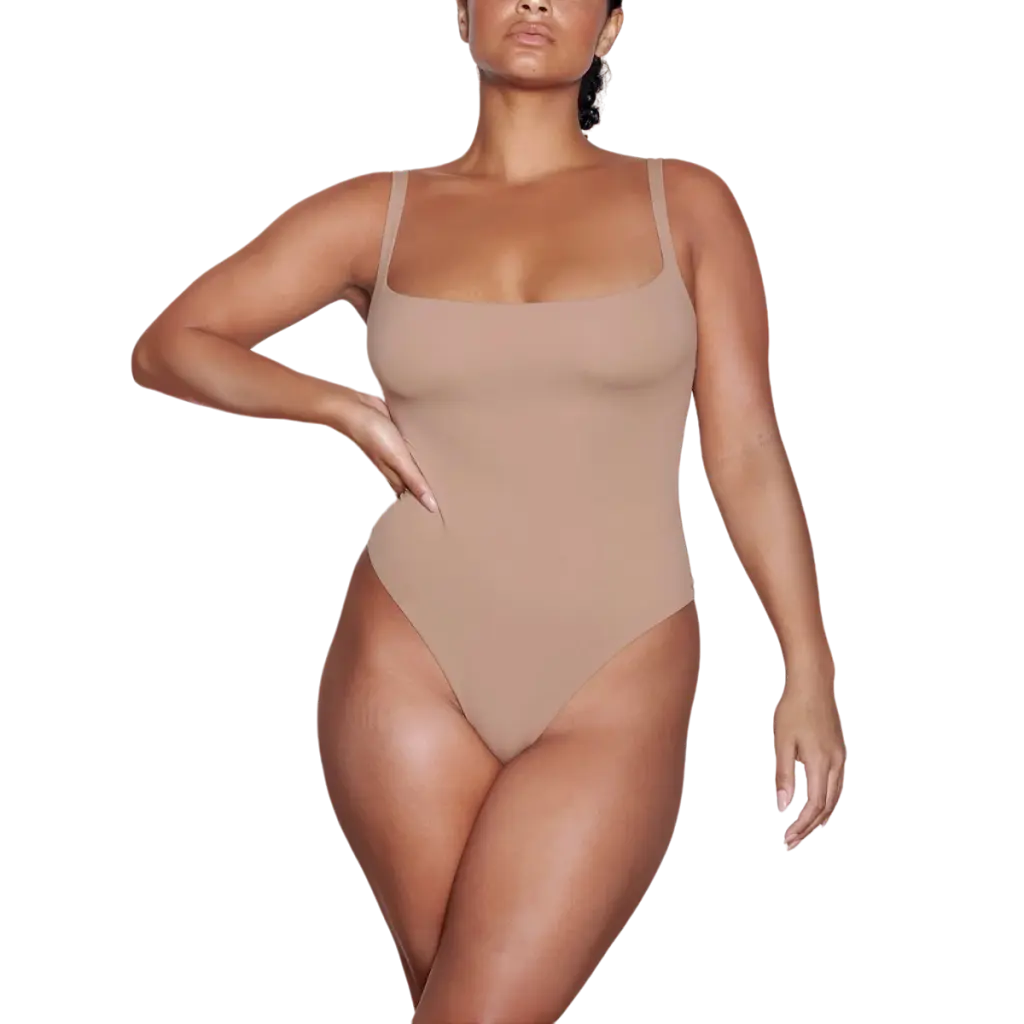
True Seamless Technology
Not all shapewear marketed as "seamless" actually is. Many brands use the term loosely for garments with sewn-in panels, side seams, or bonded edges that leave visible lines under clothing.
Our shapewear is manufactured on advanced circular knitting machines (Santoni) that produce each garment as a single, continuous piece —literally zero seams from top to bottom. The result is genuinely invisible under any fabric —white silk, thin jersey, bodycon dresses.
Graduated, Targeted Compression
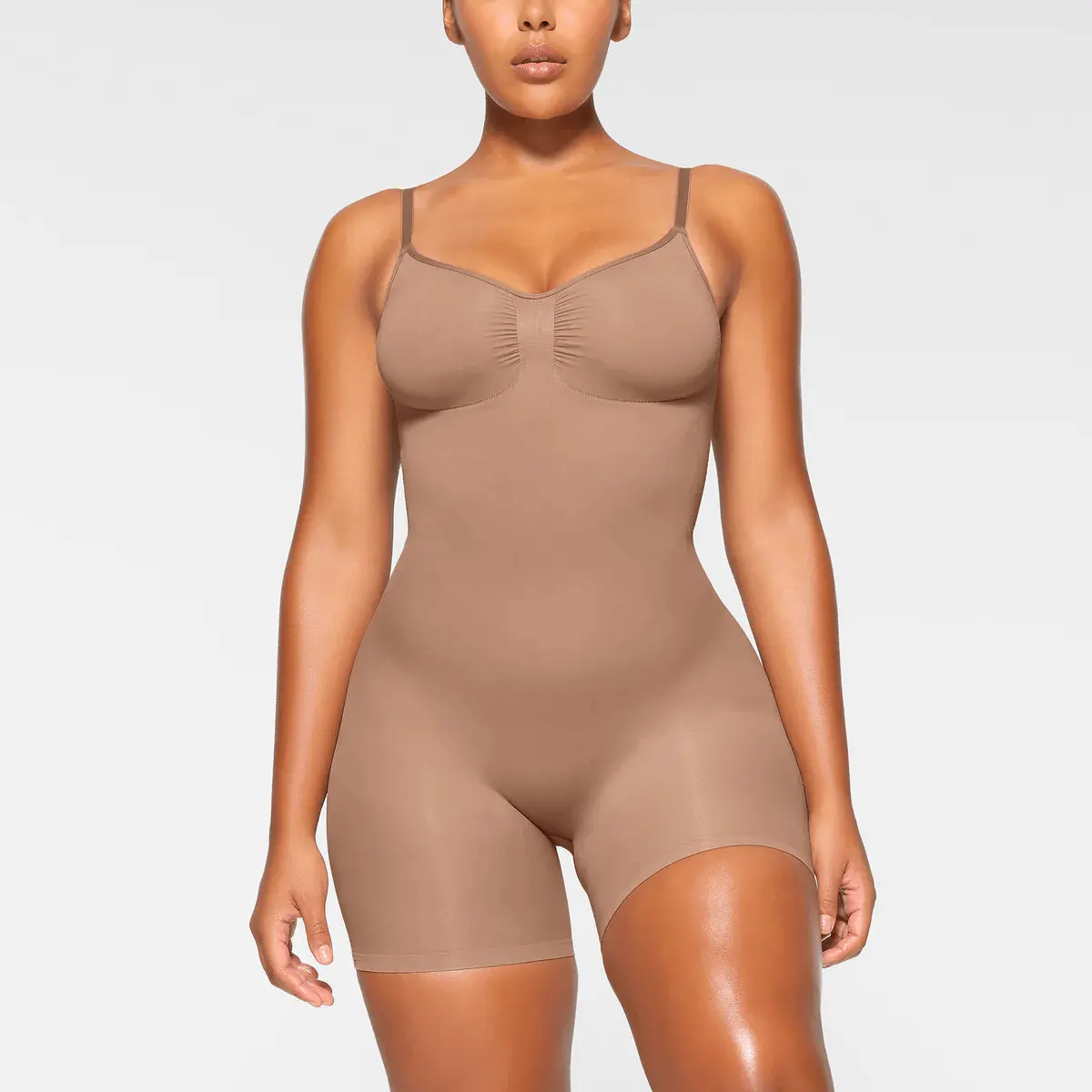
Cheap shapewear squeezes everything equally —creating the "sausage casing" effect that looks unnatural and feels unbearable after 30 minutes.
Our graduated compression technology is firmer at the core and lighter at the edges, creating a natural-looking smooth silhouette. Each piece is engineered with specific zones for tummy control, side smoothing, back support, and butt lifting.
All-Day Comfort
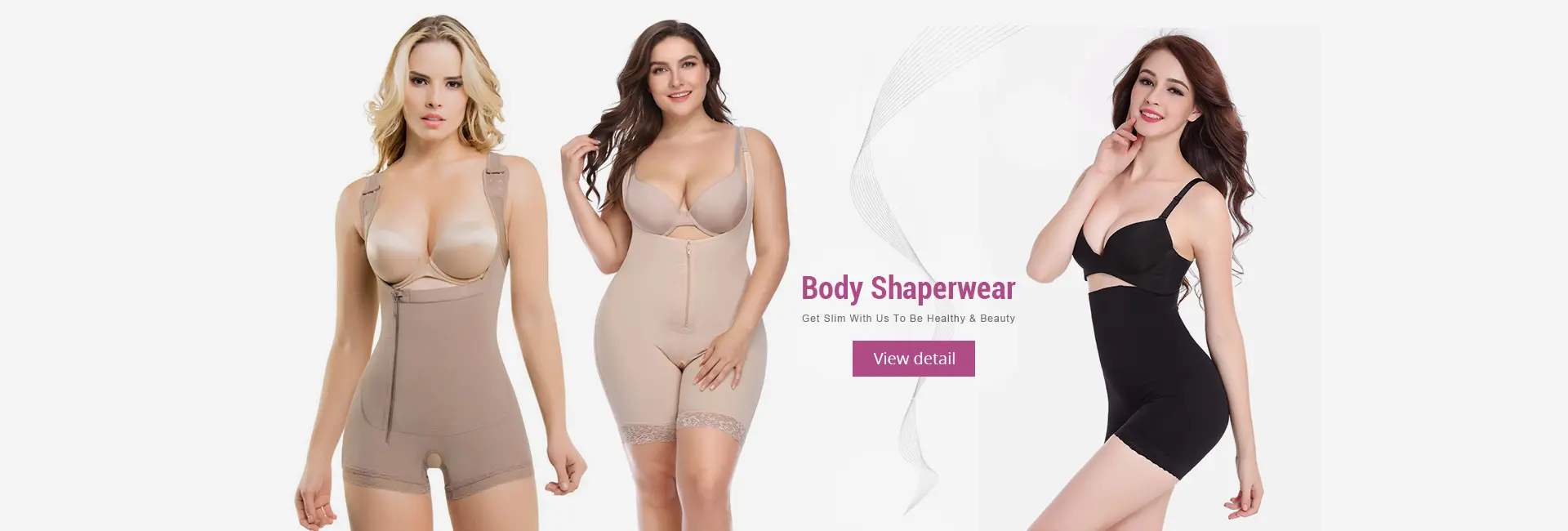
Every HB Shapewear piece is wear-tested for 8+ continuous hours before approval. Key comfort features include breathable moisture-wicking fabric, silicone no-roll grip strips, adjustable straps on bodysuit styles, and a cotton-lined gusset.
Most competitors design for 3-4 hour wear (weddings, galas). We design for Tuesday —the work meeting, the coffee date, the school pickup.
Feature Comparison
HB Shapewear vs Competitors
| Feature | HB Shapewear | Premium Brands | Budget Brands |
|---|---|---|---|
| Seamless (Zero Seams) | ✓ Every piece | Most pieces | Select styles |
| No-Roll Waistband | ✓ Silicone grip strips | Some styles | Not available |
| Graduated Compression | ✓ Targeted zones | Targeted zones | Uniform only |
| Breathable Fabric | ✓ All styles | Select styles | Not available |
| Torso Length Options | ✓ Regular & Long | Not available | Not available |
| True-to-Size Fit | ✓ Size chart tested on real fit models | Runs small (size up ×2) | Inconsistent |
| Crotch Design | ✓ Cotton-lined + snaps | Some styles | Not available |
| Durability (Wash Test) | ✓ 50+ washes tested | 30-40 washes | 10-20 washes |
Premium Quality at Accessible Prices
Seamless construction on every piece, graduated compression, moisture-wicking fabric, silicone grip strips —features typically found in $40-$120+ competitors. Our prices: $22.99-$49.99. Free shipping over $50.
Designed for Real Life
Most brands focus on weddings and red-carpet moments. Our core collection is for everyday wear —work, errands, coffee dates. Shapewear should be part of your daily wardrobe, not torture you tolerate for 3 hours.
Risk-Free Shopping
Free shipping over $50, 30-day return policy for unopened items, personalized size guidance, responsive customer support within 24 hours. We stand behind every piece.
Backed by International Standards
ISO 9001:2015
Certified quality management system auditing every process from raw material inspection to final shipment.
In-House Production
20,000 m² facility with 200+ skilled workers. We own every production line —no subcontracting.
48-Hour Sampling
Express prototyping with free revisions until you're satisfied. Physical samples shipped worldwide.
Low MOQ 50 pcs
Start small, test the market, and scale with confidence. Flexible order quantities for growing brands.
Global Shipping
Export to 30+ countries. FBA-compliant packaging. Express (3-7 days) and sea freight options.
7-Step QC Process
From yarn inspection to 4-way stretch testing to final pre-shipment check. 98.5% defect-free rate.
What Our Customers Say
Real feedback addressing real shapewear problems.
"I've tried Spanx, Skims, Honeylove —every single pair rolled down at my desk job within 2 hours. HB's silicone grip waistband is the real deal. 10-hour workday, zero rolling. I didn't adjust once. Finally, shapewear that stays put."
—Rachel K.
Office Manager, Chicago
"I bought a white silk dress for my engagement party and every shapewear I owned showed seams through it. HB's seamless bodysuit was TRULY invisible —no lines, no bulges, no anything. My photographer couldn't tell I was wearing shapewear. Game changer."
—Priya M.
Bride-to-Be, London
"I'm 5'2" with a long torso and short legs —shapewear shopping is my personal hell. HB's long-torso option actually fits without the shoulders pulling down. I sized based on their chart (not my dress size) and it was spot on. Why doesn't every brand do this?"
—Megan T.
Petite + Long Torso, Austin
"Previous bodysuits: 5-minute wrestling match in the bathroom stall. HB's cotton gusset with reinforced snaps? One-handed operation. No popping open unexpectedly, no contortion required. This alone is worth the price."
—Lauren D.
Event Planner, Miami
"I live in Texas. Wearing shapewear in August felt like wearing a plastic bag. HB's moisture-wicking fabric genuinely breathes —I wore their shorts under a dress to an outdoor wedding in 95°F and didn't feel like I was dying. The cotton gusset helps too."
—Jessica R.
Teacher, Houston
"My previous shapewear started fraying at the seams after the third wash. HB's pieces have been through 20+ washes (gentle cycle, air dried) and still look and compress like new. The stitching quality is noticeably better than the mall brands."
—Ashley W.
Mom of 3, Seattle
"I used to have a 'countdown clock' for when I could rip off my shapewear. With HB, I genuinely forget I'm wearing it. Medium compression —not too tight, not too loose. Wore the Panty Shaper from 7am school drop-off to 9pm dinner. No marks, no discomfort."
—Hannah S.
Busy Mom, Denver
"As a size 3XL woman, most 'inclusive' brands just scale up standard patterns. HB's plus-size pieces are actually engineered for curves —the compression is graduated properly, the straps don't dig, and the thigh openings don't cut in. I feel supported, not squeezed."
—Tamika J.
Plus-Size Advocate, Atlanta
Experience the HB Shapewear Difference
Share your design brief and get a sample in 48 hours. MOQ from 50 pcs.